The Hidden Dangers of Food Combinations in Autoimmunity: Why Single Food Testing Isn't Enough
When it comes to autoimmune conditions, many of my clients are eager to find answers about the foods that could be triggering their symptoms. They often think, "If I just avoid certain foods, I’ll feel better." But, what they might not realize is that food combinations can play a huge role in causing autoimmune flare-ups, even when the individual ingredients don’t show antibodies on their own.
It’s a tricky and often frustrating area of functional medicine, but understanding it is key to healing. Here's what you need to know.
Understanding Food Protein Reactions
Let’s start with the basics. In a perfect world, food sensitivities and allergies are pretty straightforward. You eat a food, your body reacts, and you know exactly what caused the problem. Unfortunately, with autoimmune disease, the story is more complex. As a functional medicine practitioner trained under Dr. Datis Kharrazian, I don’t just look at individual foods—I look at immune response. And food proteins can behave very differently when combined.
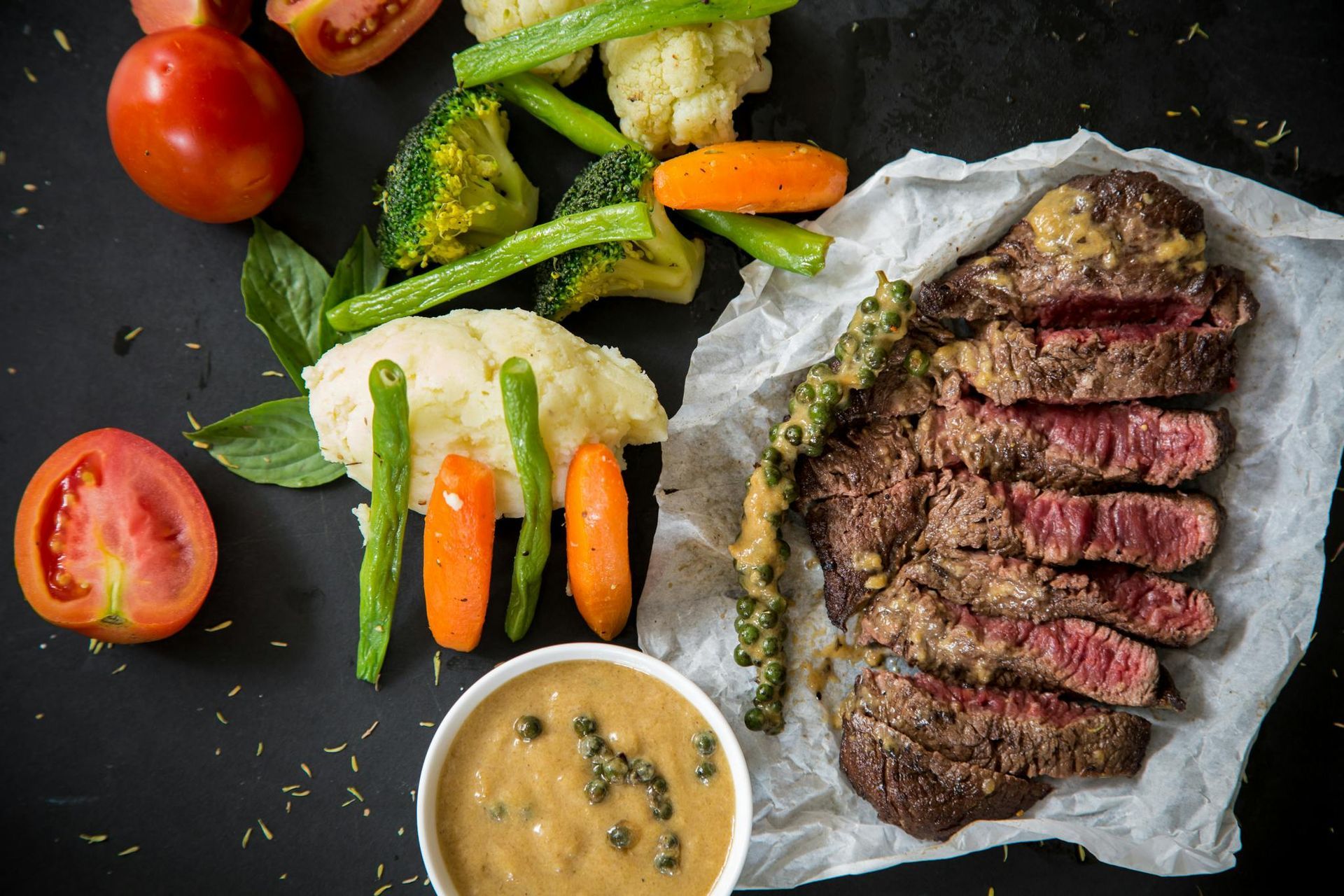
You may have a test that shows no antibodies for specific foods, think chicken, potatoes, or broccoli. But when those foods are cooked together in a meal, something changes. The proteins in those foods could combine in a way that causes your immune system to recognize them as a threat, triggering an autoimmune flare-up. The reason for this is cross-reactivity, where similar amino acid sequences in different food proteins can cause your immune system to confuse one food for another.
This phenomenon is real, and it's something I see often in my practice. Just because a food doesn’t show a reaction on its own doesn’t mean it won’t cause issues when combined with others.
The Role of Cross-Reactivity
Cross-reactivity happens when your immune system mistakes one protein for another because they share a similar amino acid sequence. For example, if you react to salmon, you might also react to other types of fish due to similarities in their protein structures. This concept is why combining foods like certain grains, dairy, and legumes might trigger reactions in some individuals, even if they’ve tested negative for antibodies to those foods.
Let’s look at a real-world example. Imagine eating a gluten-free Kung Pao chicken that’s free of contamination. You’d think that meal would be perfectly fine, right? But if that combination of chicken, spices, and vegetables triggers a reaction, it could be because of how the proteins in those foods interact once combined.
Why You Should Pay Attention to Food Combinations
In the context of autoimmune disease, where your immune system is already overactive, food reactions can be subtle and unpredictable. So, the next time you’re tempted to dismiss a food intolerance because a test didn’t flag it, think again. It’s not just about the individual foods—it’s about how they interact in your body. You need to pay close attention to how different food combinations make you feel.
It’s easy to get caught up in thinking that food sensitivities only apply to the big culprits: gluten, dairy, or soy. But as an autoimmune patient, it’s essential to understand that your body might be reacting to the interaction of multiple foods. So while a test might show that chicken and broccoli are “safe” on their own, eating them together in a casserole could trigger symptoms.
The N=1 Approach to Autoimmunity and Food Sensitivities
Here’s the bottom line: There is no one-size-fits-all approach when it comes to food and autoimmunity. As I always tell my clients, you are the expert on your own body. Testing can give us a great starting point, but it’s your unique experience that helps us narrow in on what’s truly causing your flare-ups.
This is why food sensitivity testing—while helpful—is just one part of the puzzle. You have to be keenly aware of your body’s reactions and the foods you’re combining, even if the individual ingredients test negative for antibodies. Don’t ignore what your body is telling you. If something doesn’t feel right after a meal, listen to it, and make adjustments accordingly.
The Takeaway
If you're struggling with autoimmune symptoms and haven't been paying attention to food combinations, it’s time to start. While food testing is an invaluable tool, it doesn’t give us the full picture. You may need to do some trial and error with food combinations to uncover what’s really triggering your symptoms.
It’s also important to remember that autoimmune healing is complex and individualized. You are an N=1, which means your treatment plan should be tailored to you. Don’t be afraid to advocate for your health, and work with a functional medicine practitioner who can help guide you through the nuances of food reactions and autoimmune management.
Are you struggling to identify food sensitivities or autoimmune triggers? Let's work together to find a personalized solution that addresses your unique needs. You are welcome to start with a Free Health Discovery Session.
Don't Miss Out On More!

Heidi Toy FNTP
I help people all over the world heal by identifying and treating the root cause of their body imbalances. Through diet and nutrition, I guide them towards wholeness and balanced lives.
Heidi Toy Functional Medicine Blog